Restoring Clarity: Pterygium Treatment in Houston
Houston, a city known for its vibrant culture and diverse population, is no stranger to the challenges posed by the Texan sun and its intense UV radiation. One common issue faced by residents in this sunny metropolis is pterygium, a growth that can develop on the surface of the eye, potentially affecting vision and eye health. In this article, we will explore the world of pterygium treatment in Houston, shedding light on the available options and the importance of seeking timely care for this eye condition.
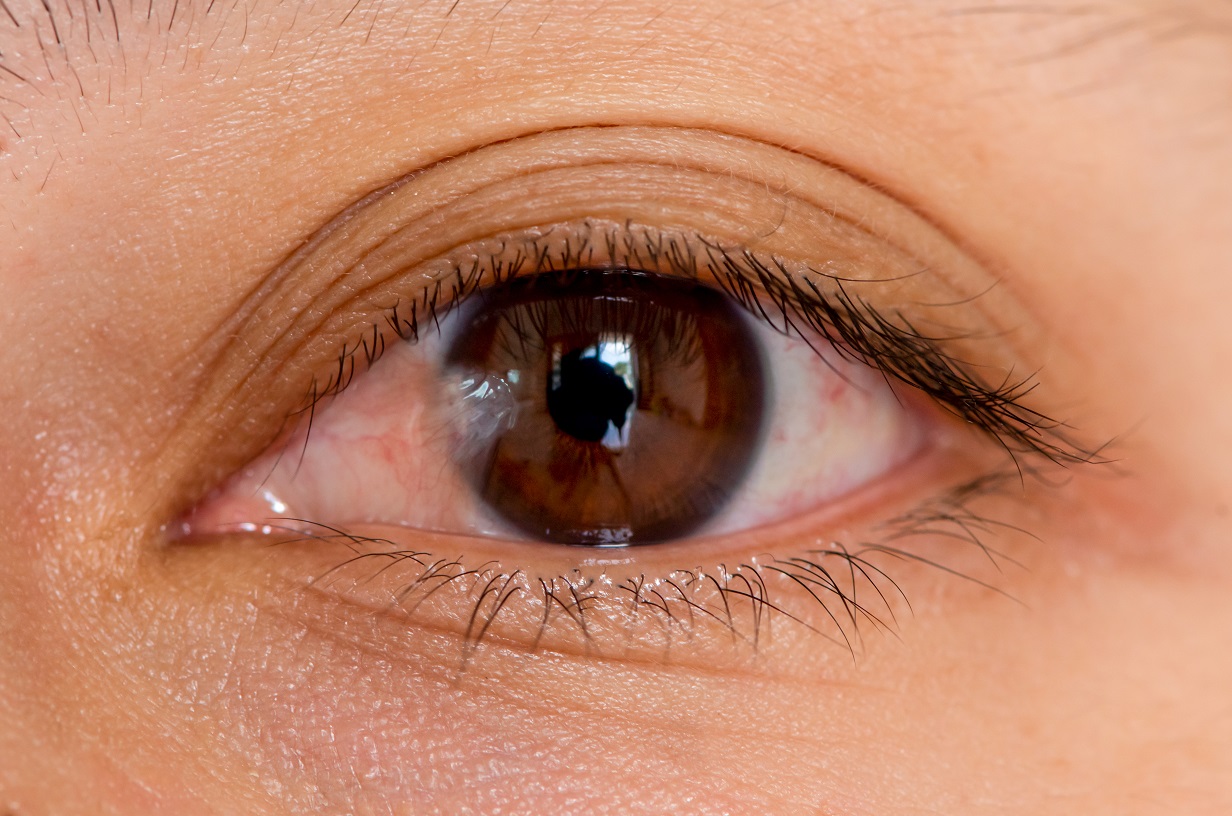
Understanding Pterygium:
Pterygium is a non-cancerous growth of tissue that can develop on the conjunctiva, the clear, thin membrane covering the white part of the eye. It is often associated with prolonged exposure to UV radiation and dry, dusty environments, making it relatively common in sun-soaked regions like Houston.
Symptoms and Impact on Vision:
Pterygium growth can cause a range of symptoms, including redness, irritation, itching, and a foreign-body sensation in the eye. In some cases, it can encroach onto the cornea, the clear front surface of the eye, leading to blurred vision and astigmatism.
Prevention and Protection:
In a city where sunshine is abundant, prevention is key. Residents of Houston are encouraged to protect their eyes from UV radiation by wearing sunglasses that block both UVA and UVB rays, as well as wide-brimmed hats to shield their eyes from direct sunlight and dust.
Treatment Options:
Houston offers a range of treatment options for individuals dealing with pterygium growth. The choice of treatment depends on the severity of the condition and the impact on a patient's vision. Some common treatment options include:
Artificial Tears and Lubrication: Mild cases of pterygium may be managed with artificial tears and lubricating eye drops to alleviate discomfort and reduce irritation.
Steroid Eye Drops: Inflammation associated with pterygium can be treated with prescription steroid eye drops to reduce swelling and redness.
Surgical Removal: When a pterygium becomes visually significant, causes discomfort, or threatens the health of the eye, surgical removal may be recommended. Surgical procedures like pterygium excision involve the removal of the growth and can be performed as an outpatient procedure.
Amniotic Membrane Graft: In some cases, an amniotic membrane graft may be used during pterygium surgery to reduce the likelihood of recurrence and improve postoperative comfort.
Importance of Early Intervention:
Timely intervention is crucial when dealing with pterygium. Leaving it untreated can lead to more significant growth, potential vision impairment, and increased discomfort. Regular eye examinations with an ophthalmologist are essential for early detection and appropriate management.
Choosing an Eye Specialist:
Houston boasts a range of eye specialists and ophthalmologists with expertise in diagnosing and treating pterygium. When seeking treatment, it's important to choose a qualified and experienced eye care professional who can provide tailored solutions.
Conclusion:
Pterygium, a common eye condition exacerbated by the sunny climate of Houston, requires proactive management and treatment to maintain clear vision and eye health. Residents of this vibrant city should prioritize eye protection and seek timely intervention when symptoms arise. With a range of treatment options available and access to skilled eye specialists, Houston ensures that individuals dealing with pterygium can regain clarity and comfort in their vision, allowing them to fully enjoy all that this dynamic Texan city has to offer.
For More Info :-


Comments
Post a Comment