Understanding Pterygium: Surgical Treatment and Remedies
Pterygium, commonly known as "surfer's eye," is a non-cancerous growth of tissue on the conjunctiva, the transparent membrane covering the white part of the eye. This growth can extend to the cornea, affecting vision, and often occurs in people who spend a lot of time outdoors in sunny or windy conditions. While surgery is the most definitive treatment, there are also remedies that can help manage the symptoms in the early stages.
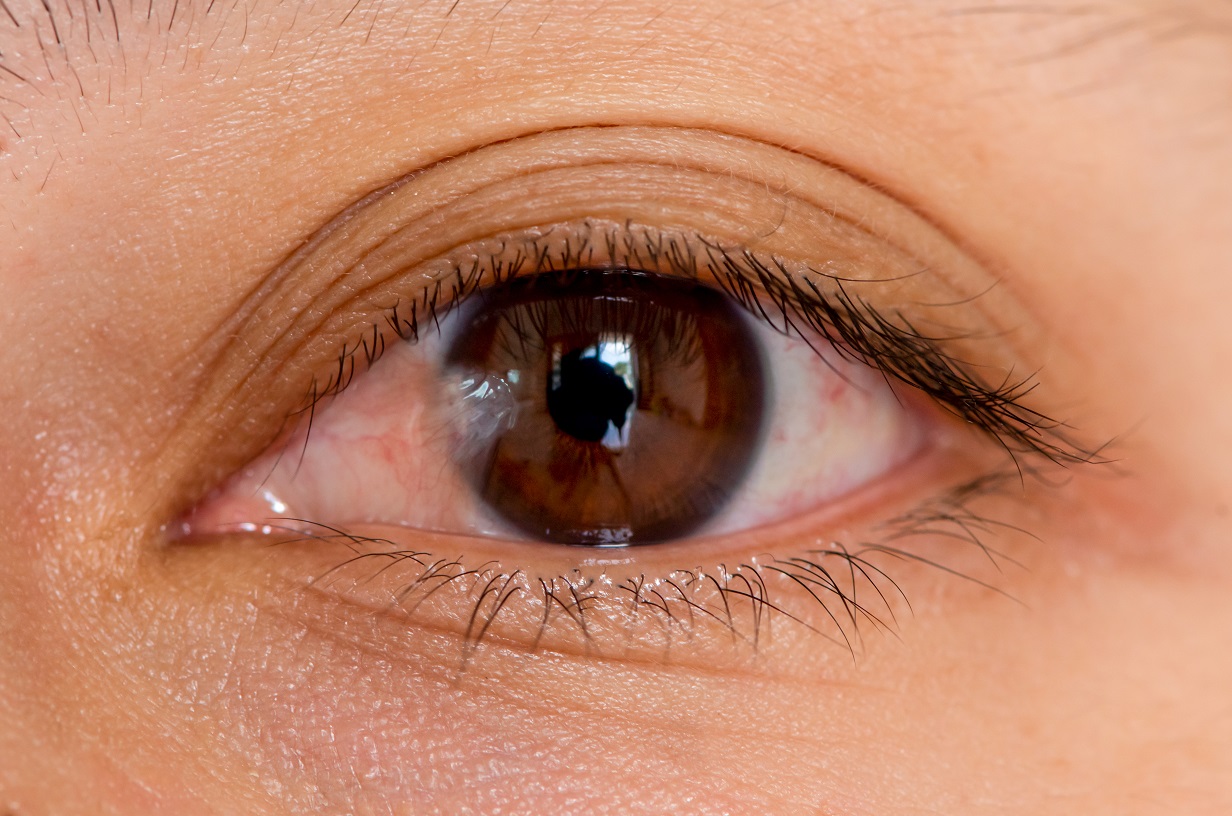
Surgical Treatment for Pterygium
When a pterygium becomes large enough to interfere with vision or causes discomfort, Surgery for pterygium may be required to remove the growth. Pterygium surgery, also known as excision, is generally a simple procedure that takes about 30 to 45 minutes.
Here’s what to expect:
Procedure: The surgeon removes the pterygium from the conjunctiva and cornea. In many cases, tissue from another part of the eye (conjunctival autograft) is transplanted to the area where the Pterygium remedy was removed. This helps prevent recurrence.
Recovery: After surgery, patients may experience mild discomfort or irritation. Eye drops, including antibiotics and anti-inflammatory medications, are prescribed to aid healing. The complete recovery period may take several weeks.
Risks: As with any surgery, there are potential risks, including infection, recurrence of the pterygium, or scarring. However, modern surgical techniques have reduced recurrence rates significantly.
Remedies for Pterygium
In the early stages of pterygium, surgery may not be necessary. Several remedies can help alleviate symptoms such as redness, irritation, and dryness:
Artificial Tears: Over-the-counter lubricating eye drops can relieve dryness and irritation caused by pterygium. These drops help keep the eyes moist and reduce discomfort.
Sun Protection: Wearing sunglasses with UV protection is essential for preventing further damage. Wraparound glasses can shield the eyes from harmful UV rays, wind, and dust, which can irritate the eyes and worsen the pterygium.
Steroid Eye Drops: In some cases, doctors may prescribe corticosteroid eye drops to reduce inflammation and redness associated with pterygium. These should be used under medical supervision due to potential side effects.
Avoid Irritants: Limiting exposure to irritants such as dust, smoke, and wind can help manage symptoms. When possible, stay indoors during peak sun hours or wear protective gear when outdoors.
Conclusion
Pterygium is a common eye condition, especially in individuals who spend significant time outdoors. While remedies such as artificial tears and UV protection can help manage mild cases, surgery is often required when the growth affects vision or causes significant discomfort. Consulting an eye specialist early can help in managing the condition effectively and prevent complications.


Comments
Post a Comment