Eye Surgery for Pterygium Removal: Understanding the Procedure and Recovery
Pterygium, commonly referred to as "surfer’s eye," is a benign growth of tissue on the conjunctiva, often extending onto the cornea. It typically occurs due to prolonged exposure to UV light, wind, dust, or dry environments. While small pterygia can be managed with eye drops and protective measures, surgery becomes necessary when they cause discomfort, affect vision, or lead to cosmetic concerns.
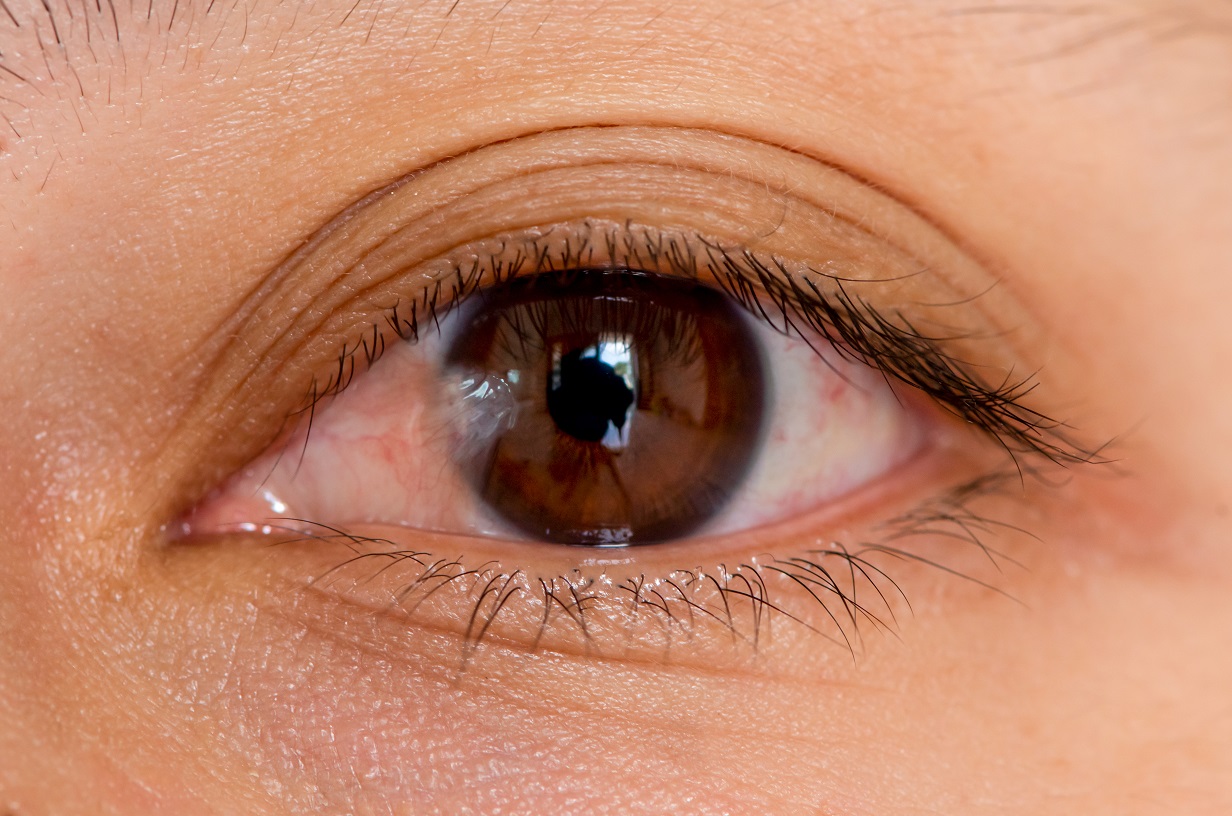
What is Pterygium Removal Surgery?
Eye Surgery Pterygium Removal is a specialized procedure aimed at excising the abnormal tissue from the eye. The process restores both the eye's appearance and function.
The Surgical Process
Preparation: The procedure is typically performed under local anesthesia, ensuring minimal discomfort.
Tissue Removal: The pterygium is carefully excised from the conjunctiva and cornea.
Graft Placement: To prevent recurrence, a conjunctival autograft (healthy tissue from another part of your eye) is placed over the excision site and secured with sutures or tissue glue.
Post-Procedure Care: Antibiotic and anti-inflammatory eye drops are prescribed to prevent infection and reduce inflammation.
Benefits of Surgery
Restores clear vision if the pterygium obstructs the cornea.
Relieves irritation, redness, and dryness caused by the growth.
Enhances the cosmetic appearance of the eye.
Pterygium Surgery Recovery
Pterygium Surgery Recovery typically takes a few weeks. While most patients experience minimal discomfort, adhering to post-operative care is crucial for optimal healing and reducing the risk of recurrence.
What to Expect After Surgery
Initial Days:
Mild redness, irritation, or swelling is normal.
A protective eye patch may be applied to shield the eye.
Blurred vision in the operated eye is common and improves gradually.
Healing Period:
Most symptoms subside within 1–2 weeks, but full recovery may take up to a month.
Avoid rubbing the eye, as it can disrupt the graft and healing process.
Post-Surgery Care Tips
Use prescribed eye drops as directed to prevent infection and reduce inflammation.
Protect your eyes from sunlight by wearing UV-blocking sunglasses.
Avoid swimming, heavy lifting, or activities that could strain the eyes during the initial recovery period.
Attend all follow-up appointments to monitor healing and ensure proper recovery.
When to Contact Your Doctor
Seek immediate medical attention if you experience severe pain, excessive redness, sudden vision loss, or unusual discharge.
Why Early Treatment is Important
While pterygium is a benign condition, delaying treatment can lead to complications such as scarring, corneal distortion, or significant vision impairment. Surgical removal not only addresses existing symptoms but also prevents long-term damage to your eye health.
If you’re considering pterygium removal, consult an experienced ophthalmologist to discuss your options and receive personalized care for a smooth recovery.


Comments
Post a Comment