Understanding Pterygium Surgery Costs in Houston and Options for Pterygium Removal
Pterygium, commonly known as "surfer’s eye," is a benign growth of tissue on the surface of the eye, typically extending from the inner corner towards the center of the cornea. Although it is often caused by prolonged exposure to UV rays, dust, or wind, it can develop for other reasons as well. If left untreated, a pterygium can cause discomfort, vision problems, and in severe cases, affect the quality of life. For those suffering from this condition, pterygium surgery may be the best option to remove the growth and restore comfort and vision.
In Houston, many patients seek treatment for pterygium removal, but the cost of pterygium surgery can vary depending on factors such as the complexity of the procedure, the surgeon's expertise, and whether additional treatments are needed. In this guide, we’ll break down the pterygium surgery cost in Houston and explore the surgery process to help you make an informed decision.
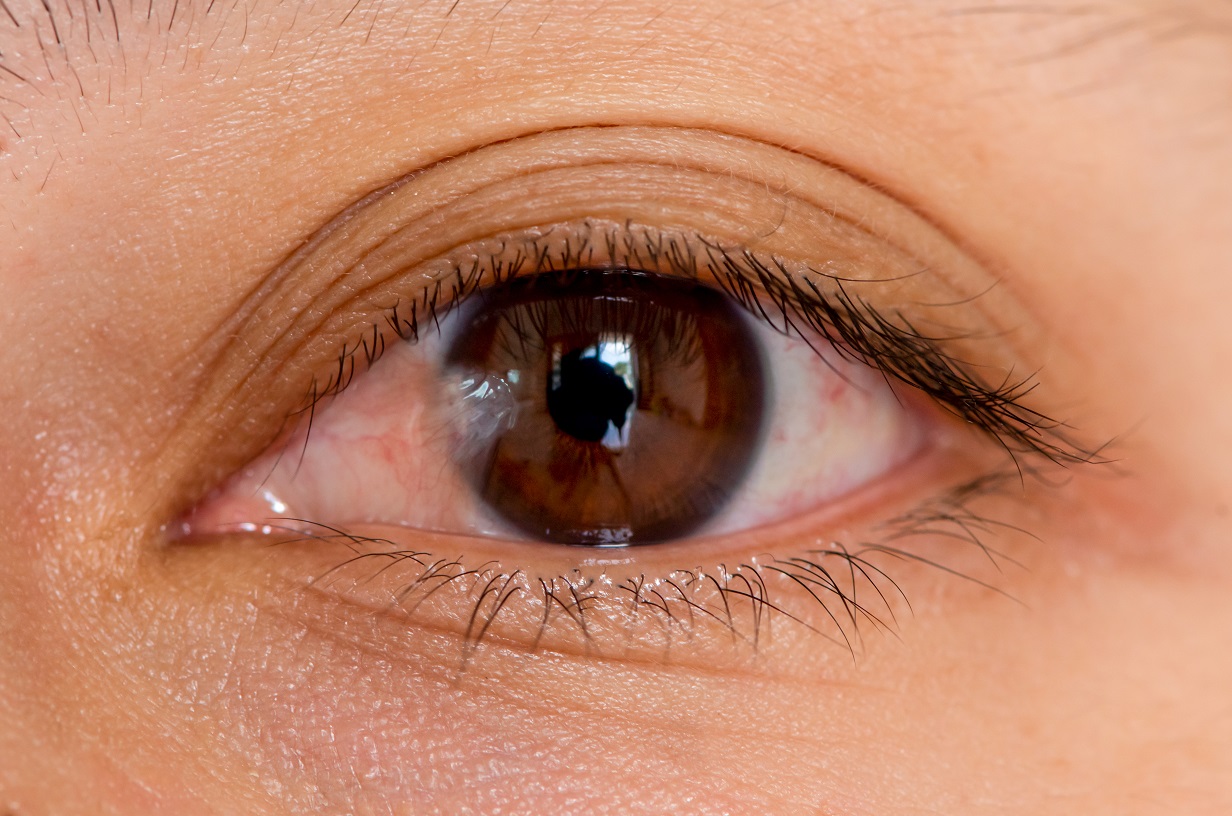
What Is Pterygium Surgery?
Pterygium surgery is a medical procedure aimed at removing the abnormal tissue growth from the eye. The surgery is usually recommended when the pterygium causes discomfort, affects vision, or keeps growing.
The surgery can be performed in different ways:
Traditional Excision: The growth is carefully removed using a scalpel. However, this method has a higher recurrence rate and might require additional steps to prevent the pterygium from coming back.
Conjunctival Autografting: This technique involves removing a small piece of healthy tissue from the patient’s own eye and using it to cover the area where the pterygium was excised. This method reduces the risk of recurrence.
Amniotic Membrane Grafting: In some cases, an amniotic membrane (derived from donated placental tissue) is used as a graft to help heal the surgical site and reduce the likelihood of the pterygium returning.
While the surgery is generally safe and effective, there may be a risk of complications, which is why it is important to consult with an experienced ophthalmologist or eye surgeon.
Pterygium Surgery Cost in Houston
The cost of pterygium surgery in Houston can vary depending on several factors, including the clinic or hospital, the surgeon’s experience, the type of procedure, and whether any additional treatments or procedures are required. On average, patients can expect the following price ranges:
Basic Pterygium Surgery:
For traditional pterygium removal without advanced techniques such as grafting, the cost can range from $1,000 to $2,500 per eye. This may include the surgeon's fee, anesthesia, and facility fees. Keep in mind that this cost may vary depending on the specific surgeon and facility.
Pterygium Surgery with Conjunctival Autografting:
If a more advanced procedure like conjunctival autografting is required, the cost may increase to $2,500 to $4,500 or more. The additional cost accounts for the specialized techniques and materials used in the procedure, which improve the chances of a successful outcome and reduce the likelihood of recurrence.
Amniotic Membrane Grafting:
If your doctor recommends using an amniotic membrane for grafting, the total cost of surgery may be higher, ranging from $3,000 to $5,000 or more per eye. This method is generally considered more advanced and may come with additional fees for the procurement and processing of the amniotic membrane.
Post-Surgery Care and Follow-up Visits:
After the surgery, follow-up visits and any prescribed medications, such as anti-inflammatory drops or antibiotics, may add additional costs. It’s important to factor in these costs when budgeting for the procedure.
Factors Influencing Pterygium Surgery Cost
Several factors can influence the final cost of pterygium surgery in Houston:
Surgeon’s Experience:
Experienced surgeons who specialize in pterygium removal may charge higher fees due to their expertise and reputation. However, their skill can also reduce the chances of recurrence and improve overall outcomes.
Type of Procedure:
The complexity of the surgery, such as the use of advanced techniques like autografting or amniotic membrane grafting, can impact the cost. Advanced techniques are often associated with better long-term results but may require additional materials and resources.
Location and Facility:
The cost of surgery can vary depending on the clinic or hospital you choose in Houston. Private practices, specialty clinics, and high-end facilities may charge more than outpatient centers or general hospitals.
Insurance Coverage:
Some insurance providers may cover the cost of pterygium surgery if it is deemed medically necessary (i.e., if the growth is interfering with vision or causing significant discomfort). Be sure to check with your insurance provider about coverage options. However, insurance coverage for elective procedures or surgeries for cosmetic reasons may not be included.
Location in Houston:
The cost of surgery can vary by neighborhood or city, even within Houston. In general, surgeries performed in more metropolitan or high-demand areas may cost more due to the higher operational costs of the clinic or hospital.
Choosing the Right Surgeon for Pterygium Removal in Houston
When seeking a surgeon for pterygium surgery in Houston, it’s essential to choose a highly experienced ophthalmologist or eye surgeon who specializes in ocular surface surgery. Here are some tips for selecting the right surgeon:
Credentials and Experience: Ensure the surgeon is board-certified and has extensive experience in performing pterygium surgeries.
Patient Reviews: Read patient testimonials and reviews to get a sense of the surgeon’s reputation and patient satisfaction.
Consultation: Schedule a consultation with the surgeon to discuss your options, ask questions about the procedure, and evaluate the surgeon's approach and communication style.
Post-Operative Care: Inquire about the surgeon’s post-operative care plan, including follow-up visits, potential complications, and recovery timelines.
Conclusion
The cost of pterygium surgery in Houston can vary depending on several factors, such as the type of procedure, the surgeon’s expertise, and whether advanced techniques are used. On average, patients can expect to pay anywhere from $1,000 to $5,000 per eye, depending on the complexity of the surgery and the care required.
When considering surgery to remove pterygium in Houston, it’s important to consult with a qualified ophthalmologist to understand the best treatment options, what the procedure entails, and what the total costs will be. By researching your options and considering factors such as insurance coverage, surgical techniques, and aftercare, you can make an informed decision that will restore your eye health and improve your quality of life.


Comments
Post a Comment