Surgery for Pterygium and Pterygium Surgery Recovery
Understanding Pterygium
Pterygium, commonly referred to as "surfer's eye," is a non-cancerous growth of conjunctival tissue that extends onto the cornea. This condition often develops due to prolonged exposure to ultraviolet (UV) light, wind, dust, and dry environmental conditions. While mild cases may not require treatment, advanced cases that cause discomfort, redness, or vision obstruction may necessitate surgical intervention.
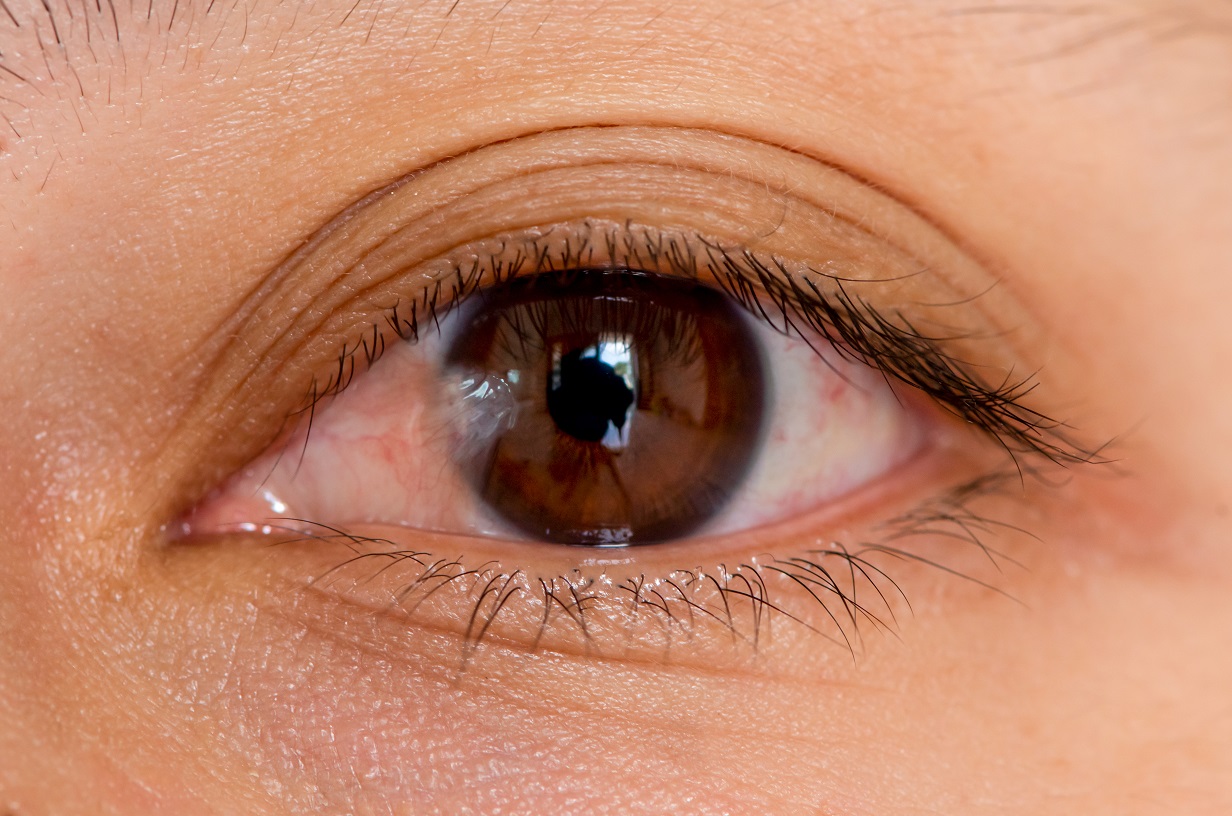
Indications for Pterygium Surgery
Surgery for pterygium is typically recommended in the following scenarios:
The growth extends into the cornea and affects vision.
Persistent irritation, inflammation, or discomfort that does not improve with conservative treatments like lubricating eye drops or anti-inflammatory medications.
Cosmetic concerns when the growth significantly alters the appearance of the eye.
Recurrence of pterygium despite previous treatments.
The Pterygium Surgery Procedure
Pterygium Surgery Recovery is a relatively simple outpatient procedure performed under local anesthesia. The steps include:
Preparation: The eye is numbed with anesthetic eye drops to ensure a pain-free procedure.
Removal of the Pterygium: The surgeon carefully excises the pterygium and the affected conjunctival tissue.
Graft Placement: To prevent recurrence, an autograft (a piece of healthy conjunctival tissue from the same eye) is placed over the excised area. This tissue is secured using sutures or fibrin glue.
Final Steps: The eye is cleaned, and an eye patch is placed to protect the area post-surgery.
Immediate Post-Surgery Period (First Few Days)
Mild discomfort, redness, and watery eyes are common.
Some patients experience a foreign body sensation in the operated eye.
Blurred vision may occur temporarily.
Antibiotic and anti-inflammatory eye drops will be prescribed to prevent infection and reduce inflammation.
An eye patch or bandage may be required for the first 24 hours.
First Few Weeks After Surgery
Avoid rubbing or touching the eye to prevent complications.
Adhere strictly to the prescribed eye drop regimen.
Wear sunglasses outdoors to protect the eye from UV exposure and dust.
Refrain from strenuous activities, including heavy lifting and swimming.
Most patients can return to work within a few days to a week, depending on the nature of their job.
Long-Term Recovery and Results
Complete healing may take several weeks.
Vision generally improves once the eye fully recovers.
There is a small risk of recurrence, particularly in individuals with significant UV exposure.
Regular follow-up visits with the ophthalmologist ensure proper healing and monitor for any signs of recurrence.
Potential Complications
While pterygium surgery is generally safe, possible complications include:
Recurrence of the pterygium (less common with grafting techniques).
Infection or excessive inflammation.
Dry eye symptoms that may require ongoing lubrication.
Rare cases of scarring affecting vision.
Preventing Recurrence
To minimize the risk of recurrence:
Wear sunglasses with UV protection when outdoors.
Use artificial tears to keep the eyes hydrated, especially in dry or dusty environments.
Avoid prolonged exposure to wind, dust, and smoke.
Conclusion
Pterygium surgery is an effective solution for patients experiencing discomfort or vision impairment due to the growth. While the recovery period requires careful management, most individuals achieve excellent outcomes with minimal complications. If you are considering pterygium surgery, consulting an experienced ophthalmologist will help determine the best approach for your condition.


Comments
Post a Comment