Pterygium in Houston: Understanding the Condition and Surgery for Removal
Pterygium, often referred to as "surfer's eye," is a common eye condition that can affect individuals of all ages, particularly those living in sunny and windy environments like Houston. While generally benign, a pterygium can cause discomfort, vision problems, and, in some cases, requires surgical intervention to remove it. This article explores what Pterygium Houston is, its causes, symptoms, and available treatment options, including surgery for removal in Houston.
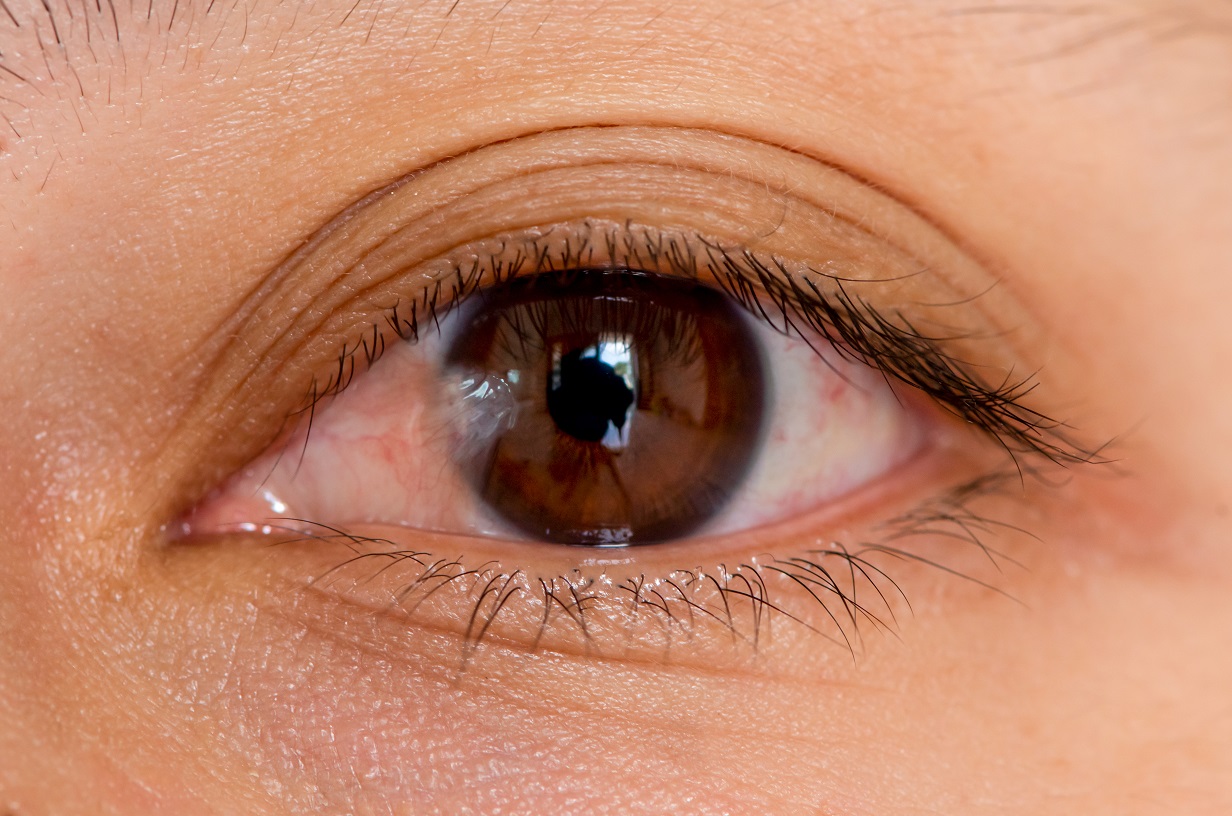
What is Pterygium?
A pterygium is a growth of fleshy tissue on the surface of the eye that typically starts on the white part of the eye (the sclera) and extends onto the cornea. The growth is usually triangular in shape and can affect one or both eyes. Pterygium is more common in people who spend a lot of time outdoors, especially in areas with intense sunlight, dust, and wind. This makes Houston, with its hot and humid climate, a common location for those suffering from this condition.
The condition can cause several visual disturbances, including irritation, redness, and even blurred vision if the growth spreads over the cornea and interferes with the normal function of the eye.
Causes of Pterygium
While the exact cause of pterygium is not fully understood, several factors have been identified as contributing to its development:
Excessive Sun Exposure: Ultraviolet (UV) rays from the sun are the leading cause of pterygium. Prolonged exposure to UV light can damage the surface of the eye and stimulate the growth of tissue. This is why pterygium is often seen in people who spend a lot of time outdoors, such as fishermen, surfers, or construction workers.
Environmental Factors: Dry, dusty, and windy conditions can increase the likelihood of developing pterygium. People who live in arid climates or work in outdoor environments are more likely to develop the condition.
Genetics: Some individuals may have a genetic predisposition to developing pterygium, with a family history of the condition increasing the risk.
Symptoms of Pterygium
In the early stages, pterygium may not cause noticeable symptoms. However, as the growth expands, it can lead to several symptoms, including:
Redness and Irritation: The affected eye may appear red and feel irritated or scratchy, especially in bright light or windy conditions.
Dryness: Pterygium can disrupt the normal tear production and cause the eyes to feel dry and uncomfortable.
Blurry Vision: If the pterygium grows onto the cornea, it may affect the vision by causing distortion or blurring.
Cosmetic Concerns: In some cases, the growth of the pterygium can be unsightly, leading to self-consciousness or discomfort about its appearance.
If left untreated, pterygium can continue to grow, potentially obstructing vision or causing other complications, such as astigmatism.
Treatment Options for Pterygium in Houston
For mild cases, pterygium may not require immediate treatment. However, if symptoms become bothersome or the growth progresses, several treatment options are available:
Lubricating Eye Drops: Over-the-counter lubricating eye drops can help alleviate dryness and irritation associated with pterygium. These drops help soothe the eyes and reduce discomfort.
Sunglasses and UV Protection: To prevent further damage, wearing sunglasses with UV protection is crucial. Limiting sun exposure can also help slow the progression of the condition.
Steroid Medications: In some cases, doctors may recommend steroid eye drops to reduce inflammation and swelling associated with pterygium.
Surgery to Remove Pterygium in Houston
In cases where pterygium causes significant discomfort, vision problems, or aesthetic concerns, surgery may be necessary to remove the growth. Surgical intervention is typically considered when the pterygium interferes with daily activities, does not respond to conservative treatments, or continues to grow onto the cornea, impairing vision.
The procedure to remove a pterygium is generally safe and effective, though it is important to choose a qualified ophthalmologist or eye surgeon to perform the surgery. In Houston, numerous reputable clinics and hospitals offer pterygium Surgery To Remove Pterygium Houston with a high success rate.
The Surgical Procedure
Pterygium surgery is typically performed on an outpatient basis, meaning the patient can go home the same day. The procedure usually involves the following steps:
Local Anesthesia: The eye will be numbed using local anesthesia to ensure the patient is comfortable throughout the surgery.
Removal of the Growth: The surgeon carefully removes the pterygium tissue from the eye's surface. In some cases, the surgeon may also remove a small portion of the affected cornea.
Graft Placement: To prevent the pterygium from recurring, the surgeon typically places a graft of healthy tissue over the area where the pterygium was removed. This can be taken from the patient's own conjunctiva (the membrane that covers the eye) or from a donor.
Stitching and Healing: The graft is secured with sutures, and the patient’s eye is bandaged for protection during the initial healing period.
The entire procedure usually takes around 30 to 45 minutes. Following surgery, patients may need to take antibiotics and anti-inflammatory medications to prevent infection and reduce inflammation.
Recovery and Aftercare
Recovery time after pterygium surgery is generally short, with most patients experiencing minimal discomfort. However, it is essential to follow the surgeon’s aftercare instructions to ensure a smooth recovery. This may include:
Resting the Eyes: Avoid rubbing or straining the eyes in the days following surgery.
Follow-Up Appointments: Regular follow-up visits with the eye surgeon are important to monitor the healing process and ensure there are no complications.
Protecting the Eyes: Wearing sunglasses to shield the eyes from UV light and dust can help prevent future issues.
Why Choose Houston for Pterygium Surgery?
Houston is home to many world-class eye care centers that specialize in the diagnosis and treatment of various eye conditions, including pterygium. Whether you're seeking an initial consultation or need expert surgery to remove a pterygium, the city's skilled ophthalmologists and advanced medical facilities offer top-notch care and a high success rate in treating this condition.
Conclusion
Pterygium is a common eye condition, particularly in areas with abundant sun exposure like Houston. While it can often be managed with conservative treatments, surgery may be required for larger growths or those causing significant discomfort or vision problems. If you're dealing with pterygium, it's important to seek advice from a qualified eye care professional in Houston who can guide you through the best treatment options, including surgery. With the right care, you can restore both your vision and comfort while reducing the risk of the condition returning.


Comments
Post a Comment