Understanding and Treating Pterygium: Cure Options and Pterygium Removal Surgery in Houston
Pterygium, commonly known as “surfer’s eye,” is a benign but often bothersome growth that begins on the white of the eye and can gradually extend onto the cornea. This wedge-shaped growth is typically caused by prolonged exposure to ultraviolet light, wind, dust, and dry conditions. While pterygium is non-cancerous, it can cause discomfort, redness, irritation, and in some cases, can interfere with vision if it grows large enough. Fortunately, there are effective treatment options available, especially for those seeking pterygium removal surgery in Houston.
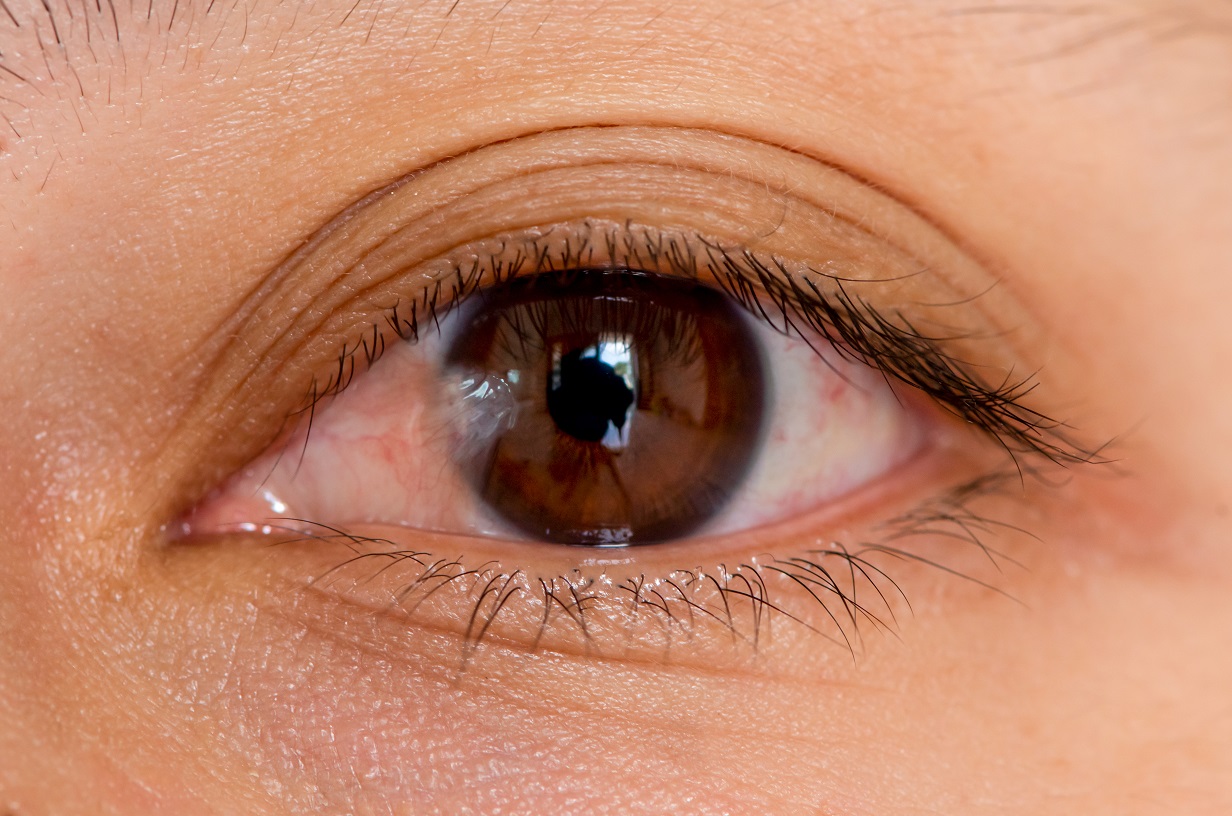
Pterygium often begins with mild symptoms such as redness, a burning sensation, or the feeling of a foreign object in the eye. As it progresses, it may cause more significant irritation or even blur vision if it encroaches on the visual axis. Many individuals with mild pterygium manage their condition with non-surgical approaches, while others may require surgical intervention for relief or cosmetic reasons.
For early-stage or mild pterygium, non-surgical treatment is typically the first course of action. These treatments include lubricating eye drops or ointments to ease dryness and discomfort, anti-inflammatory drops to reduce swelling and redness, and wearing sunglasses to protect the eyes from further UV exposure. These steps can slow the growth and minimize irritation, but they do not eliminate the growth.
In more advanced cases, or when the pterygium begins to impact vision, Pterygium Removal Surgery Houston becomes necessary. The goal of surgery is to remove the growth from the eye and to minimize the chance of recurrence. In Houston, patients have access to skilled ophthalmologists who specialize in this delicate procedure. The process typically involves excising the pterygium and covering the area with a conjunctival graft—tissue taken from another part of the patient’s eye—which significantly reduces the likelihood of regrowth.
Pterygium removal surgery is usually performed as an outpatient procedure under local anesthesia. It is relatively quick, lasting around 30 to 45 minutes, and patients can return home the same day. Surgeons may use techniques such as fibrin glue or tiny sutures to secure the graft in place, depending on the specific case and their preferred method.
Post-operative care is crucial for a successful outcome. Patients are typically prescribed antibiotic and anti-inflammatory eye drops to promote healing and prevent infection. Some discomfort or redness is normal in the first few days, but most individuals experience significant improvement in symptoms and appearance within a few weeks. Full recovery can take a couple of months, during which patients should avoid sun exposure, dust, and activities that might irritate the eye.
Choosing the right specialist in Houston is essential for optimal results. The city is home to advanced Eye Surgery Pterygium Removal and experienced ophthalmic surgeons who have performed hundreds of pterygium surgeries using the latest technology. Many offer consultations to assess the severity of the condition and to determine the best treatment plan.
Pterygium is not a life-threatening condition, but it can significantly affect quality of life, especially when it progresses. Thankfully, with proper care, preventive measures, and when necessary, expert surgical intervention, patients can enjoy clear vision and lasting relief from discomfort.


Comments
Post a Comment