Understanding Pterygium Treatment in Houston and the Role of Pterygium Eyedrops
Pterygium, often referred to as "surfer’s eye," is a common eye condition that manifests as a pink, fleshy growth on the white part of the eye, typically starting from the inner corner and extending toward the cornea. While generally benign, this growth can become problematic if it enlarges, leading to discomfort, irritation, visual disturbance, and cosmetic concerns. In sunny, warm climates like Houston, where ultraviolet (UV) exposure is significant year-round, cases of pterygium are more frequent. Fortunately, residents have access to specialized Pterygium Treatment Houston options, including both non-surgical therapies and advanced surgical procedures.
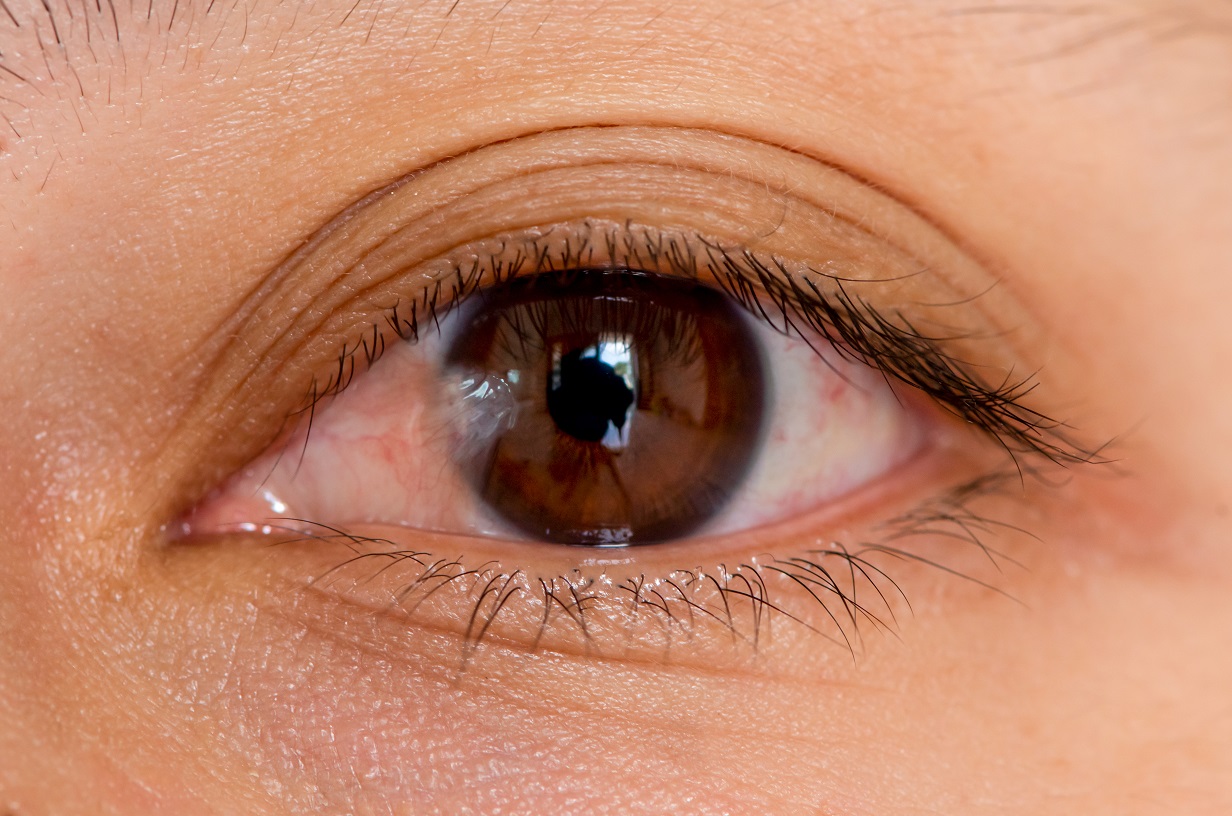
In Houston, eye care professionals often see patients who have developed pterygium due to prolonged UV exposure, wind, dust, or dry environments. The condition is particularly prevalent among individuals who spend considerable time outdoors without adequate eye protection. Early detection and treatment can prevent the growth from affecting vision and improve overall eye health.
Pterygium treatment in Houston is typically tailored to the severity of the condition. For mild cases that are not affecting vision, ophthalmologists may recommend conservative approaches. These include lubricating eye drops or artificial tears to reduce dryness and irritation. Inflammatory flare-ups are often managed with medicated eye drops such as corticosteroids or non-steroidal anti-inflammatory drugs (NSAIDs) to control redness and swelling. These pterygium eyedrops can offer significant relief from symptoms but do not eliminate the growth itself.
Pterygium eyedrops are a vital first line of defense. They help maintain eye moisture, soothe irritation, and reduce inflammation. Some formulations are specifically designed to minimize the risk of recurrence or slow the progression of the growth. It’s important to use these drops under medical supervision, as prolonged use of steroid-based eyedrops can lead to increased intraocular pressure or other complications. Newer, preservative-free formulas and natural-based eye drops are also gaining attention for their gentle, effective relief with fewer side effects.
For more advanced or recurrent cases where the pterygium encroaches upon the cornea or significantly affects vision or appearance, surgical removal becomes necessary. Houston is home to many experienced ophthalmologists and eye surgeons who specialize in minimally invasive pterygium surgery. The most common procedure involves excising the pterygium and performing a conjunctival autograft, where healthy tissue from another part of the eye is used to cover the excised area. This technique greatly reduces the chance of recurrence and results in better cosmetic outcomes.
In recent years, the use of tissue adhesives like fibrin glue has further improved surgical recovery times and patient comfort compared to traditional sutures. Some clinics in Houston also offer amniotic membrane grafts, which have natural anti-inflammatory and healing properties, providing an excellent alternative for complex cases.
Post-surgical care is critical to successful outcomes. Patients are typically prescribed a combination of pterygium eyedrops, including antibiotics and anti-inflammatory drops, to prevent infection and aid healing. Protective eyewear and lifestyle adjustments, such as reducing UV exposure and using wraparound sunglasses, are also emphasized to prevent recurrence.
What makes Houston a preferred location for pterygium treatment is the combination of expert care, state-of-the-art technology, and access to personalized treatment plans. Whether managing a mild case with pterygium eyedrops or undergoing advanced surgical correction, patients in Houston benefit from comprehensive, compassionate eye care tailored to their individual needs.
In summary, pterygium is a manageable eye condition when addressed early and treated appropriately. With high-quality eye care available in Houston, patients can expect effective solutions, whether through non-invasive eyedrops or surgical intervention. As awareness grows and treatment options continue to evolve, more individuals are finding lasting relief and improved vision through proactive pterygium care.


Comments
Post a Comment