Effective Treatments and Ways to Remove Pterygium Safely
Introduction
Eye health is one of the most crucial aspects of overall well-being, yet many people overlook symptoms that can affect their vision over time. One such common condition is pterygium, also known as “surfer’s eye.” This growth appears on the conjunctiva — the clear tissue covering the white part of the eye — and can extend onto the cornea. While often harmless, a pterygium can cause discomfort, redness, and even blurred vision if left untreated. Understanding how to cure pterygium and when to seek professional help is essential for preserving your eye health and comfort.
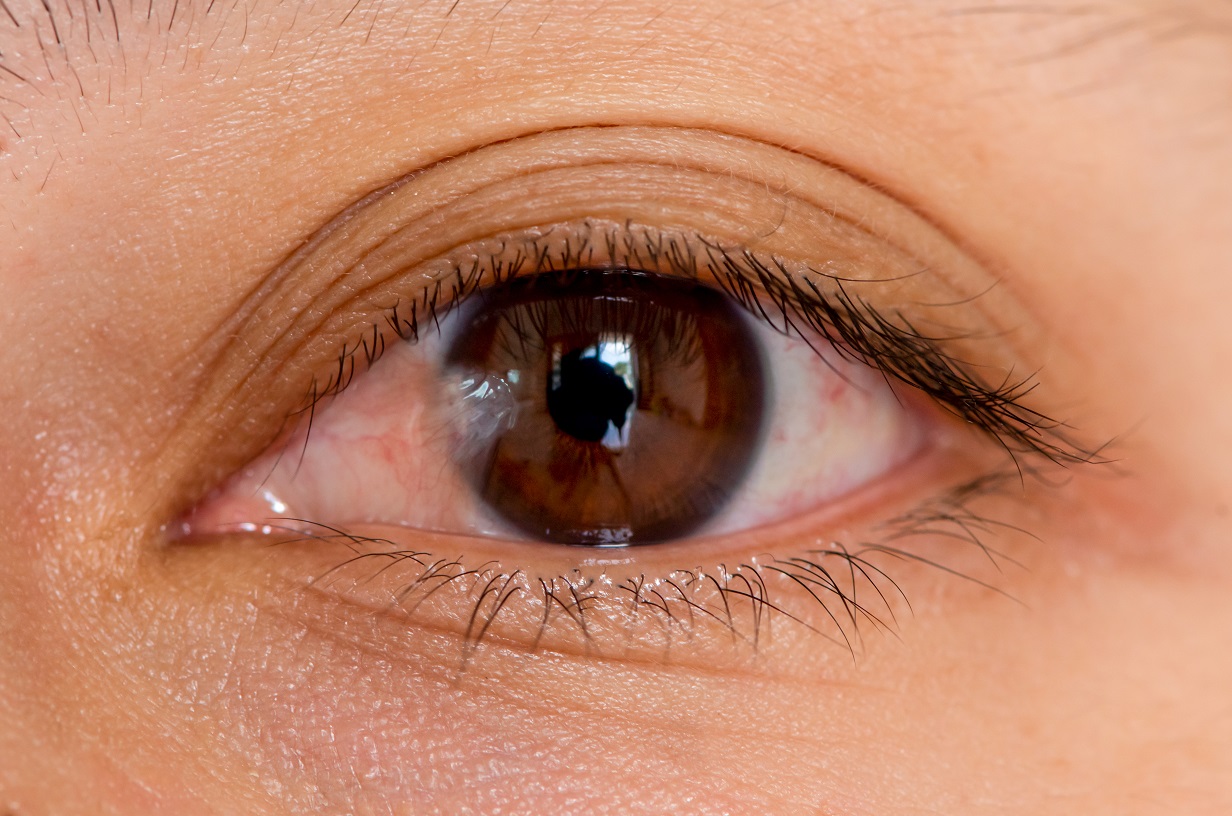
Understanding Pterygium and Its Causes
A pterygium is typically a non-cancerous growth that results from prolonged exposure to ultraviolet (UV) light, dry climates, dust, or wind. It is more common among people who spend significant time outdoors, such as athletes, farmers, and construction workers.
Common symptoms include:
Redness or irritation in the eye
A visible, wedge-shaped growth on the white part of the eye
Blurred or distorted vision (in severe cases)
A sensation of dryness or having something in the eye
While mild cases may not require surgery, understanding how to cure pterygium through preventive and medical measures can help control its progression and reduce discomfort.
How to Cure Pterygium: Non-Surgical Options
For early or mild stages, treatment focuses on relieving symptoms and preventing further irritation. Here are some commonly recommended non-surgical options:
Lubricating Eye Drops: Artificial tears help reduce dryness and irritation caused by environmental factors.
Anti-Inflammatory Medications: Prescription eye drops can minimize redness and swelling.
Protective Measures: Wearing sunglasses with UV protection and wide-brimmed hats can prevent further UV damage, slowing the growth of the pterygium.
Avoiding Irritants: Limiting exposure to wind, dust, and smoke helps reduce symptoms and inflammation.
While these methods do not completely remove the growth, they are effective in managing discomfort and preventing the condition from worsening.
When to Remove Pterygium: Surgical Treatment
In more advanced cases, when the growth becomes large enough to affect vision or cause significant discomfort, surgery is often recommended to remove pterygium. The procedure involves excising the growth from the eye’s surface and replacing it with a small graft of healthy tissue, usually from the patient’s own conjunctiva.
Modern surgical techniques have made pterygium removal safer and more effective, with faster recovery times and a lower risk of recurrence. Some of the benefits of opting for surgery include:
Restored or improved vision
Reduced redness and irritation
Enhanced cosmetic appearance of the eye
Long-term relief from recurring symptoms
After the surgery, patients are typically prescribed eye drops to aid healing and prevent inflammation. Following proper aftercare instructions is essential to ensure successful recovery.
Preventing Pterygium Recurrence
Even after you remove pterygium, preventive measures are crucial to stop it from returning. Protecting your eyes from UV exposure, staying hydrated, and maintaining regular eye check-ups are vital steps. Using artificial tears regularly also helps keep your eyes moist, reducing irritation caused by environmental factors.
Conclusion
While pterygium is a common eye condition, timely care and professional treatment can prevent long-term complications. Understanding how to cure pterygium through medical management and knowing when to remove pterygium surgically are key to maintaining healthy vision and comfort.
For expert evaluation, personalized treatment plans, and advanced surgical options, visit pterygiumhouston.com — your trusted destination for specialized pterygium care and eye health solutions.


Comments
Post a Comment